Greatness in the Palm of a Hand
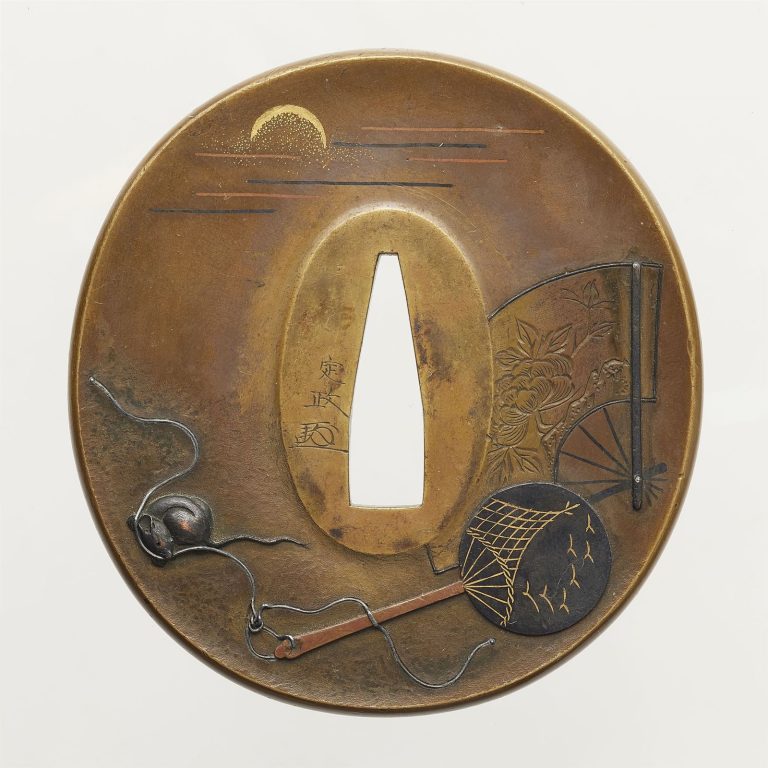
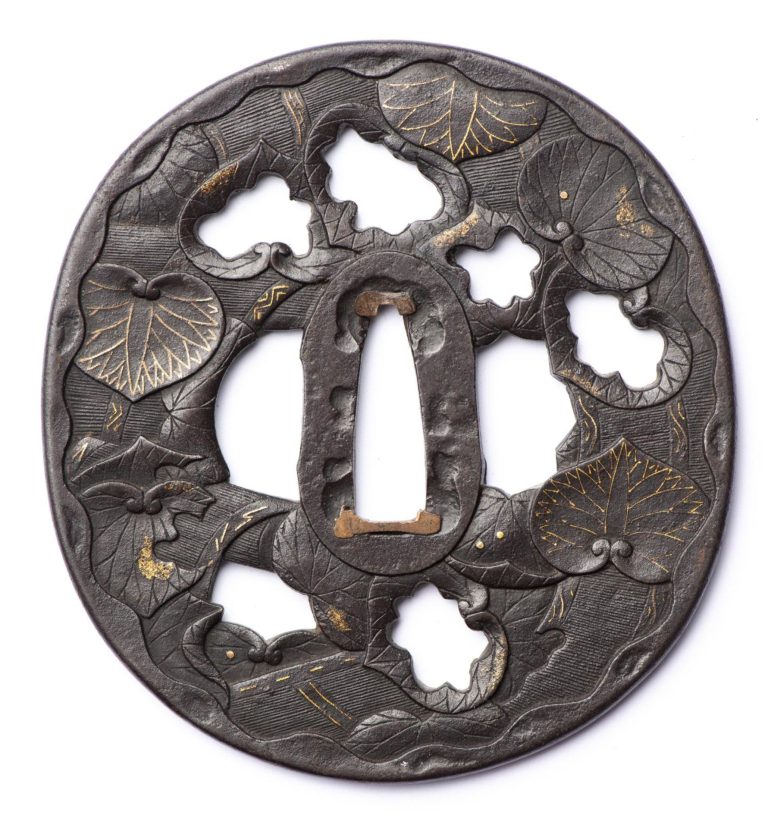
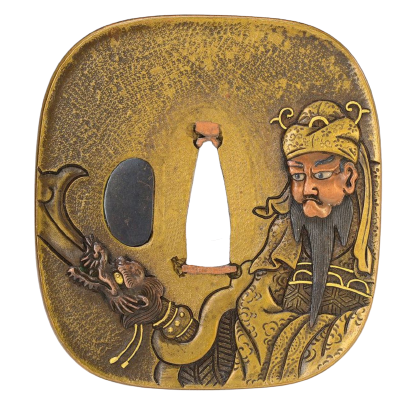
The deeper I dive, the greater my astonishment becomes. These works of art are 200, 300, sometimes 400 years old. They were created during the Edo period. That long period of peace under Tokugawa Ieyasu, in which craftsmanship became a high culture.
They carry history. They embody championship. They have names.
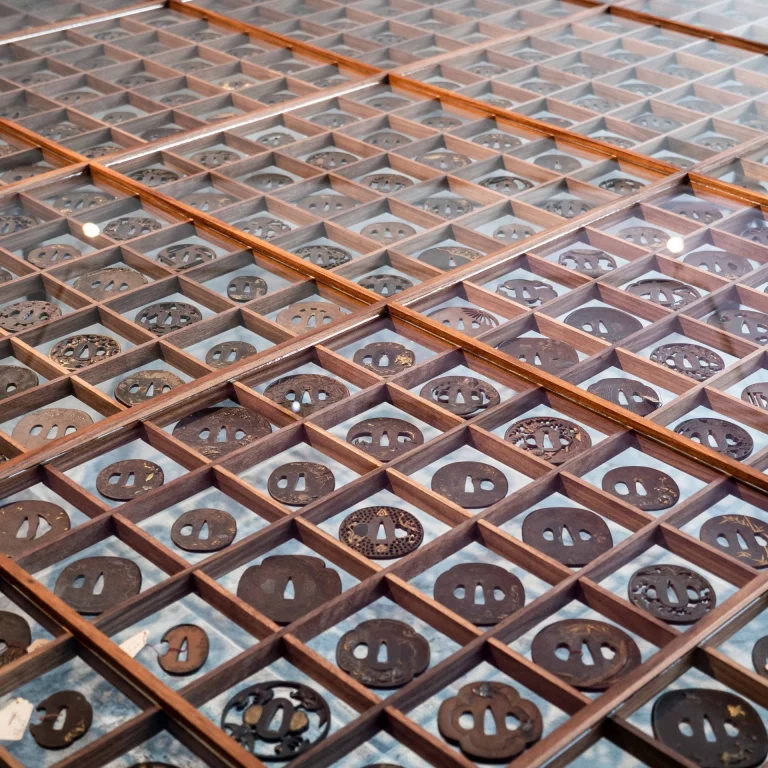
And yet, today they are not behind glass in a museum. They are lying on tables. In small collections. In the hands of people who look closely. I would have expected such works to be unattainable. Like Renaissance paintings. Like European court art.
But Tosogu is different.
Why is that?
Maybe because it’s small. Because it’s not a monument. Because it doesn’t need a huge screen. Perhaps because you need knowledge to truly understand it. And knowledge is not a mass-produced commodity.
Or perhaps because this art was never intended for a general public.
It was intimate. Personal. Close to the body.
And that’s precisely why she never sought out the noisy market.
The silent contrast
In Europe, historical high art costs millions. In Japan, for the price of a nice watch, one can acquire a signed work from a school that has existed for generations, for centuries; Such as the Goto school or the Nara school. This is not a bargain in the sense of being cheap. But it is remarkably accessible.

One can own history. They can be studied. You can pass them on.
Not as speculation. But as a responsibility.
But will it stay that way?
I’m starting to wonder:
- What happens when more people understand what Tosogu is?
- What if international collectors discovered that centuries-old masterpieces exist here outside of major museums?
- What happens when knowledge broadens?
History shows: Art forms do not remain unnoticed forever.
What is a niche today may be re-evaluated tomorrow. And perhaps that is precisely the special phase we are in: You can still learn. There’s still something to discover. One can still begin with genuine curiosity; without being defined solely by prices.
An art form that rewards patience
Tosogu forces one to slow down. You have to research the motives. Comparing schools. Understanding patina. Verify signatures. It is not an impulsive world.
And perhaps that is precisely the true value: This art rewards those who take their time. Not those who only want to invest. But those who want to understand. When I started, I didn’t even know what Tosogu meant.
Today I see things differently: It is perhaps one of the last historical art forms, which can still be discovered, not just considered.
And I quietly wonder: Isn’t it a privilege to start right now?