Soshu is the fourth of the five traditions to appear and the shortest to last. Its great period is under a century, from the end of the Kamakura period into the Nanbokucho. It is also the first that was made from the others. It has the best-known name in Japanese swords, Masamune, and it reshaped the work of nearly every other tradition.
A capital of warriors
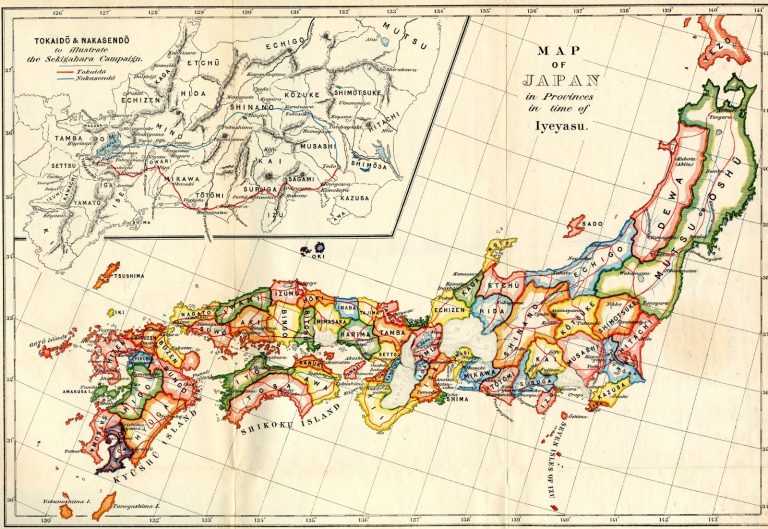
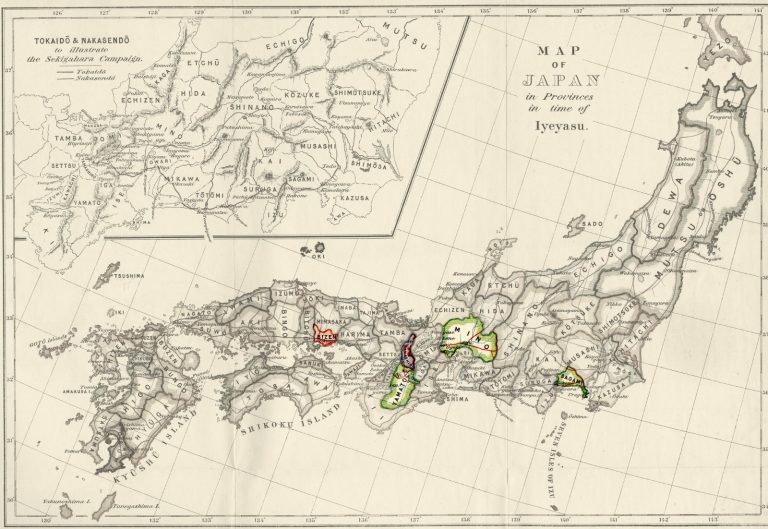
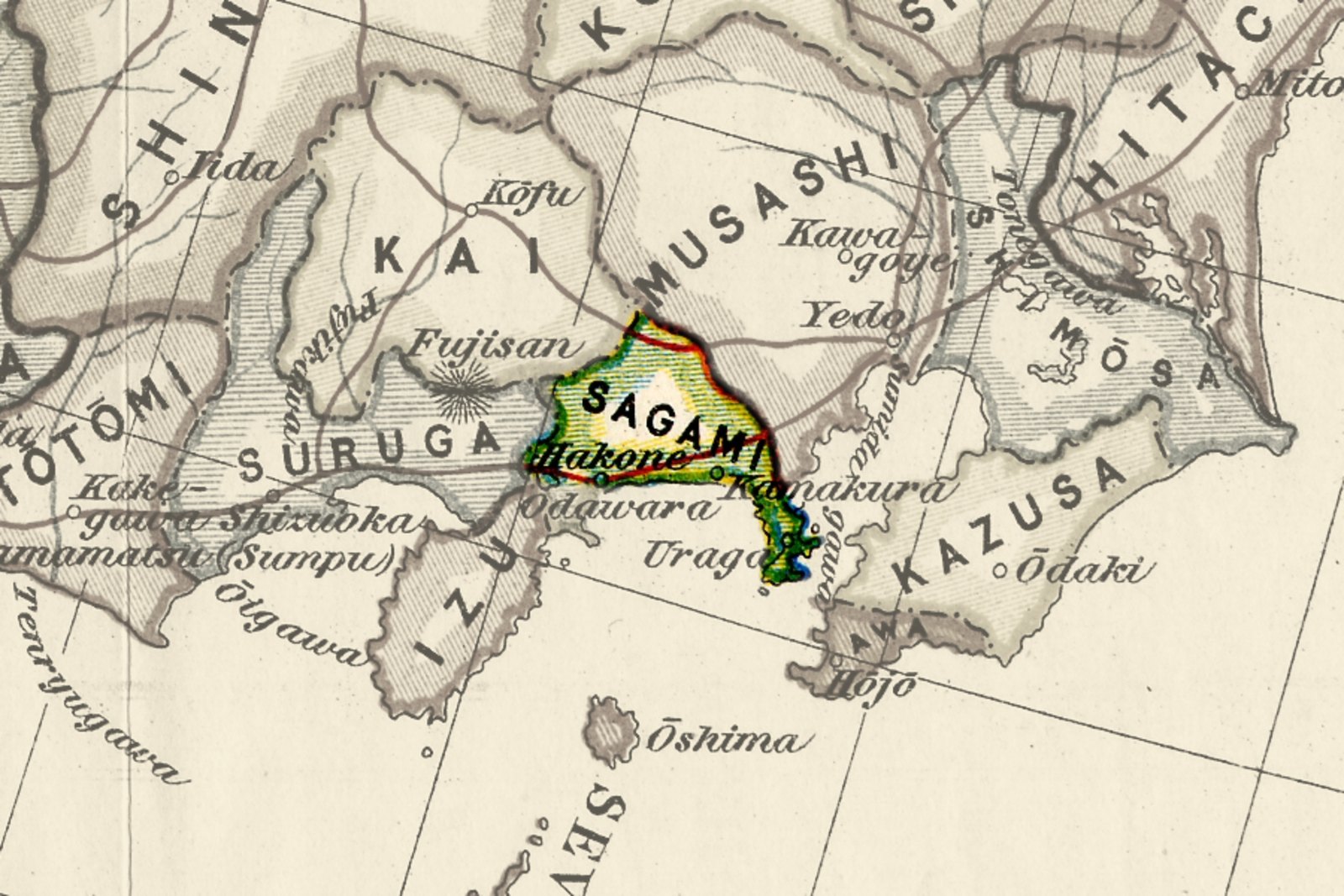
Soshu is the short name of Sagami, the province of Kamakura, where the shogunate sat from the end of the twelfth century. Kyoto had the court; Kamakura had the warriors who ruled in its name. It also lived with the Mongol invasions of 1274 and 1281.
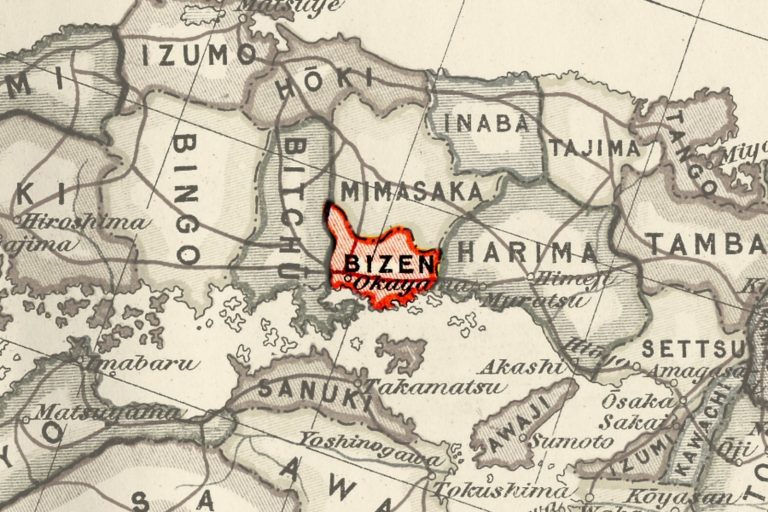
The tradition, Soshu-den, did not grow there from nothing. The smiths who came to Kamakura brought other traditions with them. The usual account names three: Kunimune and Sukezane from Bizen, and Awataguchi Kunitsuna from Kyoto, one of the six brothers of Part 2. More recent writing also considers the Mokusa smiths of the far north, in today’s Iwate. An older idea, that Yasutsuna of Hoki shaped the tradition, is increasingly rejected.
The smiths
Shintogo Kunimitsu, by tradition the son or pupil of Kunitsuna, and Yukimitsu are counted as the first true Soshu smiths. Masamune followed, and after him Sadamune, Hiromitsu and Akihiro. Masamune’s pupils, by tradition, carried the manner into other provinces within a generation; Norishige of Etchu is one of them. What joined them was a new way of hardening. The temper line no longer had to be straight or regularly patterned. It could break into irregular waves, and the crystals in it, nie, grew large enough to see one by one. Bright lines of crystals ran through the hardened edge, kinsuji, and through the steel above it, chikei. The grain was a strong, swirling wood grain.
Tanobe Michihiro notes that the early Soshu masters, Yukimitsu, Norishige, Masamune and Sadamune, sometimes left islands of hardened steel above the temper line, and he treats these as chance. With Hiromitsu and Akihiro in the Nanbokucho period the islands became intended. Their blades show hitatsura, the full temper, hard steel spread across the whole surface.
Masamune as a name
Masamune’s reputation is in part a later creation. A cult of his name grew from the late Ashikaga period. It reached a first height under Hideyoshi, who collected his blades, and the Tokugawa carried it on. The Hon’ami family, who appraised swords for the rulers, wrote the certificates. Few of his blades are signed, and much rests on attribution.
The cult of a name was not confined to swords. The same houses commissioned fittings from the Goto, and in the Edo period the Goto masters issued their own certificates for works attributed to their ancestors. Among the some three hundred Goto works that the German collector Alexander Moslé brought together in Japan, a group came with such certificates.
Hitatsura in two cities
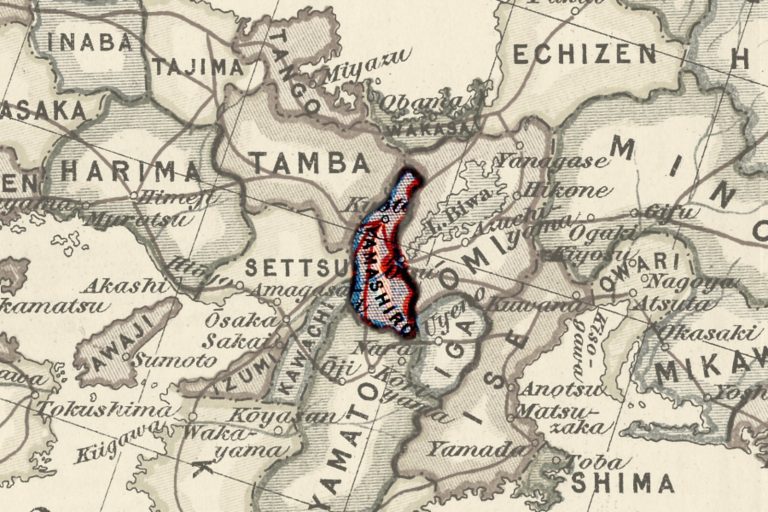
At the same time as Hiromitsu and Akihiro, the Hasebe school in Kyoto hardened in hitatsura too. Tanobe compares the two. The Soshu hitatsura grows from rounded and clove-shaped waves, widens toward the point, and becomes busier as it rises. The Hasebe hitatsura rests on a gentle undulation of even width, with its islands spread evenly, and its point turns back in a long, round return that runs into the hardening along the back. The Soshu grain is a wood grain with burl; the Hasebe grain shows long straight lines toward edge and back. Both made long, wide blades with a shallow curve, the shape of the mid-fourteenth century.
The Nobukuni smiths of Kyoto, by tradition pupils of Sadamune, carried the Soshu manner into the capital in another way, and in Bizen the smiths around Kanemitsu mixed it with their own. The traditions were never sealed against one another. Soshu is where that became plain.
A name that stayed
The late Soshu lines did not end with the great period. One of them, by tradition, served the Hojo of Odawara in the sixteenth century, and its first master received part of his name from Hojo Ujitsuna. The name was Tsunahiro, and it was carried through many generations. A wakizashi in this collection is signed Soshu Tsunahiro and hardened in hitatsura: islands of bright, hard steel spread across the blade. Which generation made it, the tang does not say. The Metropolitan Museum gives blades in hitatsura to the early generations of the line.
The name is in use still. A smith in Kamakura works today as Tsunahiro, and his workshop counts him the twenty-fourth generation after Masamune.
What to look for
- Large, bright crystals, nie, in the temper line and in the steel above it.
- Bright lines of crystals in the hardened edge, kinsuji, and in the steel above it, chikei.
- A strong wood grain with burl, itame and mokume, with little straight grain.
- An irregular temper line, and in later work islands of hard steel across the blade, hitatsura.
- In the fourteenth century, long and wide blades with a shallow curve and a large point.
Sources
- Tanobe Michihiro, The Japanese Sword: … The Yamashiro Tradition: Hasebe and Soshu hitatsura, p. 222; Nobukuni and Sadamune, p. 237.
- Markus Sesko, Masamune (2014).
- Masamune Sword and Blade Workshop, Kamakura, the workshop’s own account of its line.
- Collection page: Tsunahiro wakizashi (Aomori Prefecture; The Met).
- Essay on tosogu.eu: Alexander G. Moslé (Goto group with origami).
The Five Traditions: all parts
Overview of the series, with the blades of the collection: The Gokaden