The Gokaden: Five Traditions of the Japanese Sword
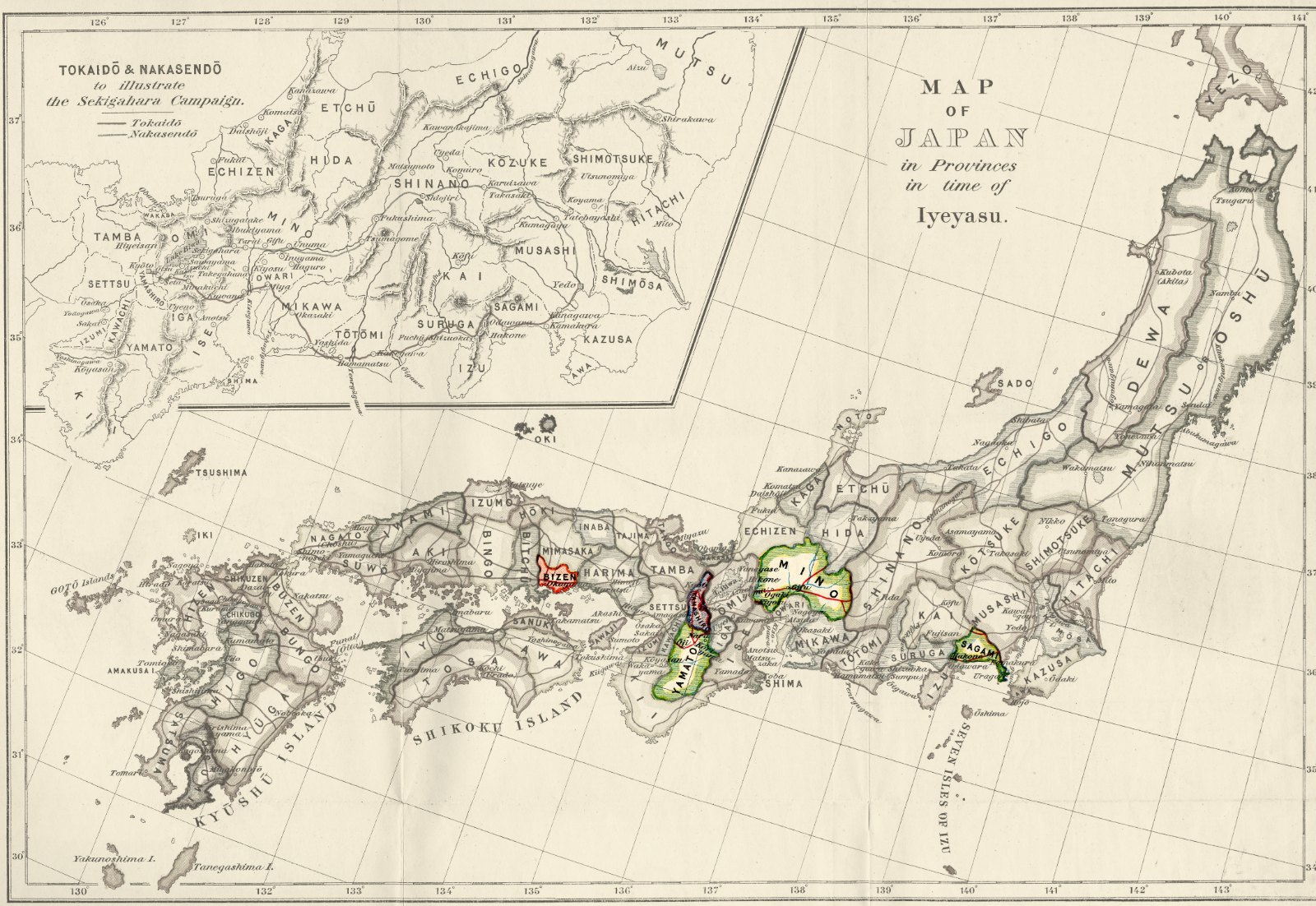
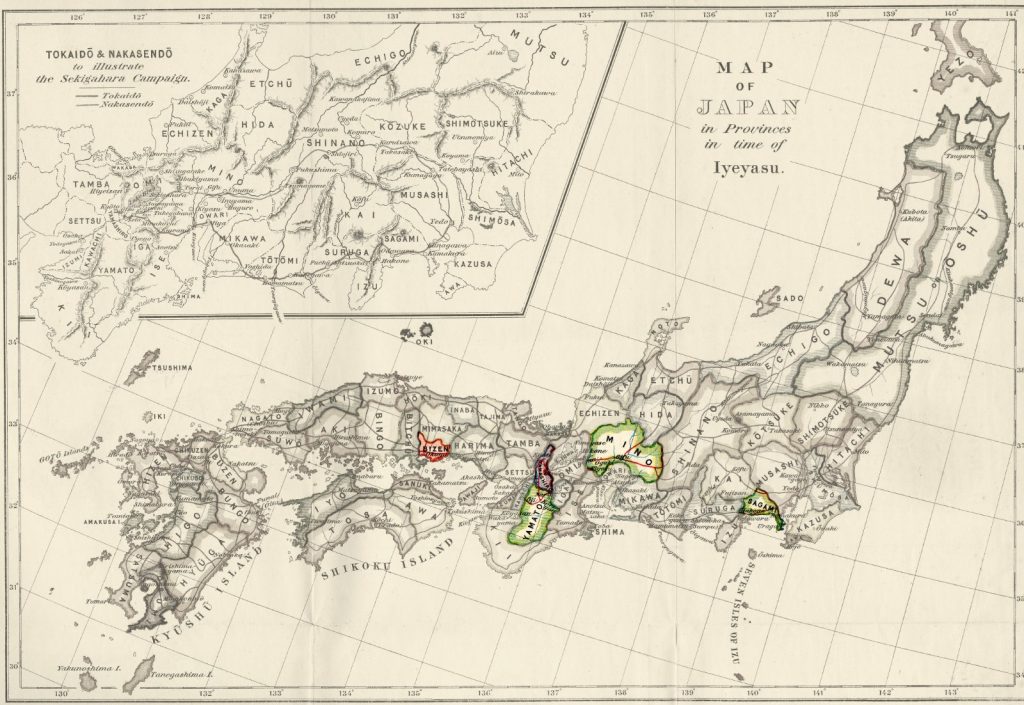
Gokaden means five traditions. The word sorts the old Japanese sword by five provinces: Yamato, Yamashiro, Bizen, Soshu and Mino. Each name stands for a place, a time and a way of forging, and each is also written with the syllable den, transmission: Yamato-den, Yamashiro-den, Bizen-den, Soshu-den, Mino-den. For most collectors in Europe this is the first map of the blade.
This page gathers a series of seven essays that follows the map from province to province and ends with what it leaves out. It also sets the blades of this collection on the map, including those that sit at its edges.
Die fünf Traditionen
- Yamato, the province of Nara. Smiths who worked for the great temples: straight grain, a straight hamon, strong nie. Part 1, Yamato: The Temple Smiths.
- Yamashiro, the province of Kyoto. Slender blades for the capital, very fine steel and a quiet, straight hamon. Part 2, Yamashiro: The Capital’s Blade.
- Bizen, in today’s Okayama. A valley that sold its swords: a clove-shaped hamon in nioi, and utsuri in the steel above it. Part 3, Bizen: Swords for a Market.
- Soshu, the province of Kamakura. Masamune and the smiths around him: large, bright nie, an irregular hamon, and later hitatsura. Part 4, Soshu: Masamune and the Nie.
- Mino, with its centres at Seki and Akasaka. The last of the five: a hamon of pointed waves, and swords made in number for the wars of the sixteenth century. Part 5, Mino: The Practical Tradition.
The series opens with Five Traditions, One Map, on who drew the map and when. It closes with What the Map Leaves Out, on the wakimono, the schools that most lists place outside the five.
Wer die Karte gezeichnet hat
The order is younger than the swords. The old sword books sort smiths by province and speak of things from Bizen or things from Kyoto. The five as a system are credited, after Markus Sesko, to Hon’ami Koson, who lived from 1879 to 1955. The opening essay follows that story.
Die Klingen der Sammlung
Three blades of this collection fall inside the five traditions as most books draw them.
- Bizen: a tanto signed Bishu Osafune Morimitsu, dated 1411.
- Soshu: a wakizashi signed Soshu Tsunahiro, hardened in hitatsura.
- Mino: a tanto signed Kanetaka, of the Sanami line of Seki.
Three more sit at the edges, and the series returns to each of them.
- An unsigned wakizashi given by its paper to the Enju of Higo. Tanobe Michihiro counts the Enju with Yamashiro.
- A hira-zukuri wakizashi attributed to the Fujishima of Kaga. Most lists treat the Fujishima as a side school. Tanobe traces them to Yamato.
- A wakizashi by Tango no Kami Kanemichi of the Mishina, a Mino family that worked in Kyoto and Osaka. It is a shinto blade, and the five names were never meant to sort it.